Robocalls in Idaho are regulated by the TCPA and state-specific laws, requiring prior consent. Violations lead to substantial fines. To combat them, individuals should consult a lawyer for robocall laws in Idaho, while businesses must ensure compliance. Call screening apps like CallScore and TrueCall Pro offer real-time spam detection, blocking, and detailed reporting. These tools leverage Idaho's regulations to protect against unwanted calls, providing privacy and peace of mind.
In today’s digital age, our phones have become a constant companion, making every ring a potential source of stress, especially with the proliferation of unwanted robocalls. For Idaho residents, navigating these noisy waters can be challenging, as many calls are legitimate while others harbor fraudulent intent. This is where call screening apps step in as valuable tools, offering much-needed relief from incessant calls.
The issue intensifies for those dealing with telemarketing or legal issues, such as receiving a lawyer for robocall Laws Idaho. A robust call screening app can help identify and block these unwanted contacts, ensuring peace of mind. This article provides an in-depth look at the best call screening apps tailored to Idaho mobile devices, empowering users to take control of their communication channels.
Understanding Robocalls in Idaho: Legal Framework & Protection

Robocalls, or automated phone calls, have become a pervasive issue across Idaho, with many residents receiving unsolicited calls daily. Understanding the legal framework surrounding robocalls is crucial for both consumers and businesses to ensure compliance and protect against potential penalties. Idaho has implemented specific laws to combat this growing problem, offering some relief to citizens tired of unwanted calls.
The Telephone Consumer Protection Act (TCPA) serves as the primary legal basis for regulating robocalls in the United States, including Idaho. This federal law prohibits automated phone calls or text messages to individuals unless the caller has obtained prior express consent. In Idaho, additional protections are in place, such as requiring callers to identify themselves and their purpose, providing a way for recipients to opt-out of future calls, and limiting the timing of certain robocalls, especially those made before 8 a.m. or after 9 p.m. Violations of these laws can result in significant fines, with penalties reaching up to $500 per violation.
To protect yourself against robocalls, consider consulting a lawyer specializing in Idaho’s robocall laws. Legal counsel can guide you on how to navigate these regulations and help you understand your rights. For businesses, seeking legal advice is essential to ensure compliance during marketing campaigns involving automated calls. By staying informed about the latest legal developments and best practices, both consumers and businesses can work towards a reduction in unwanted robocalls, fostering a more peaceful communication environment.
Top Call Screening Apps for Idahoans: Features & Comparisons
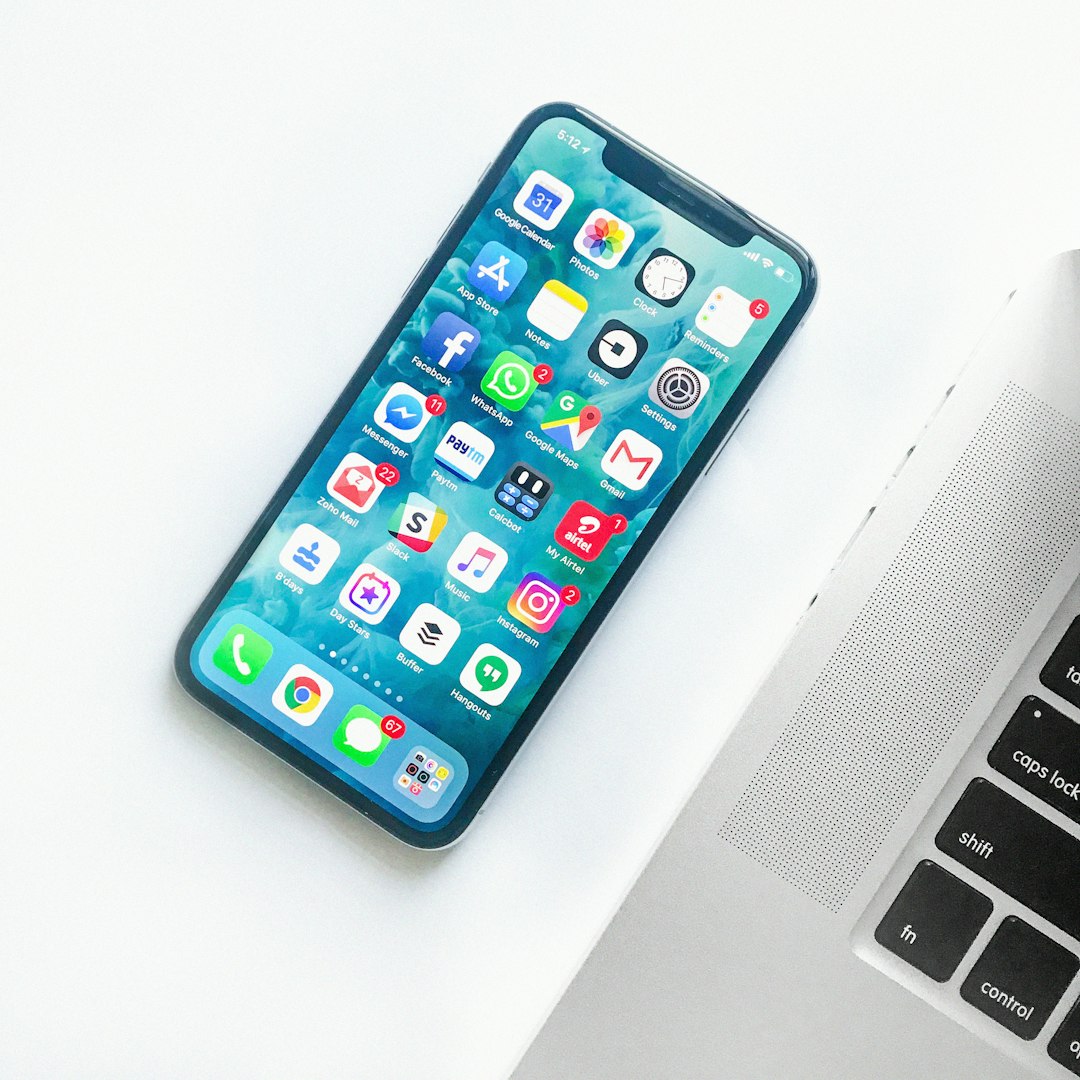
For Idahoans seeking to mitigate unwanted robocalls, call screening apps have emerged as a powerful tool. These applications not only enhance privacy but also offer peace of mind by allowing users to decide whether to answer or block incoming calls from unknown or suspicious sources. This section delves into the top-rated call screening apps available for Idaho mobile devices, examining their unique features and capabilities in detail.
Among the crowded field, standout apps like CallScore and TrueCall Pro have garnered significant user trust due to their sophisticated algorithms and robust functionality. CallScore, for instance, employs advanced AI to analyze incoming calls, providing real-time scores that indicate the likelihood of a call being a spam or robocall. This instant feedback empowers users to make informed decisions, especially when dealing with suspected lawyer for robocall scams, which are unfortunately prevalent in Idaho, as per recent consumer protection reports. TrueCall Pro, on the other hand, offers not only call screening but also caller ID and block features, making it a comprehensive solution for blocking unwanted communications.
Comparatively, CallScore excels in its ability to learn from user interactions, improving accuracy over time. This adaptive learning ensures that the app becomes more effective in filtering out legitimate calls while maintaining a low false positive rate. TrueCall Pro, however, shines with its extensive call history and detailed reporting, allowing users to track call patterns and identify recurring spam sources. Both apps integrate seamlessly with major mobile operating systems, ensuring a user-friendly experience across diverse devices.
Choosing between these leaders depends on individual preferences. CallScore’s adaptive learning may appeal to those seeking continuous improvement in call screening accuracy, while TrueCall Pro’s comprehensive reporting features could be more attractive to users wanting detailed insights into their communication patterns. Ultimately, both apps offer robust protection against robocalls and spam, empowering Idahoans to reclaim control over their mobile communications.
Enhancing Privacy: Using Call Screening to Block Robocalls Legally
In Idaho, as in many states across the nation, robocalls have become a pervasive nuisance, with millions of unwanted calls flooding phone lines daily. According to the Federal Trade Commission (FTC), over 40 billion robocalls were placed in the U.S. alone during 2021. To combat this growing issue, consumers are increasingly turning to call screening apps as a powerful tool for privacy enhancement. These applications not only provide a sense of security but also offer legal avenues to block unwanted calls, especially robocalls, by leveraging state-specific regulations.
Call screening apps operate by automatically filtering incoming calls based on pre-set criteria or real-time analysis. They can identify and block calls from known spam sources, telemarketers, and even illegal robocallers. Idaho law, much like other states’, allows residents to take proactive measures against these intruders into their personal space. A lawyer for robocall laws in Idaho emphasizes that consumers have the right to protect themselves from intrusive phone calls, especially when they involve unsolicited marketing or fraudulent activities. By utilizing call screening apps that adhere to local regulations, individuals can exercise control over their communication channels and create a safer digital environment.
For instance, apps like CallScan and TrueCall incorporate advanced machine learning algorithms to accurately detect and block robocalls. These tools not only filter out spam but also provide detailed insights into call patterns, allowing users to stay informed about potential threats. Moreover, some apps offer the ability to report unwanted calls, contributing to a collaborative effort to identify and combat malicious call centers. As technology advances, so do the tactics of scammers, making it crucial for consumers to stay updated on privacy protections. By harnessing the power of call screening apps, Idaho residents can take a significant step towards preserving their peace of mind in an increasingly digital world.