Idaho's robocall laws mandate explicit consent for automated calls, enforced by the Attorney General's Office. Advanced call-blocking apps like CallGuard, Hiya, and TrueCall offer multi-layered defense against robocalls, with 40% adoption leading to a 35% reduction. Optimizing app settings, integrating call screening, and staying informed about local regulations significantly reduces unwanted calls. Strict penalties and proactive initiatives have fostered a safer digital environment, with industry collaborations reducing spam by 25%. Continuous improvements are vital for sustained progress.
In the digital age, robocalls have become a pervasive nuisance, with millions of Americans affected annually. Idaho, like many states, has implemented robocall laws to protect residents from unsolicited calls, yet navigating these protections can be challenging. With ever-evolving technologies, new types of robocalls emerge daily, requiring innovative solutions. This article provides an in-depth guide to the best apps designed to eliminate robocalls in Idaho in 2025. We’ll explore how these tools leverage advanced algorithms and machine learning to block not just common robocalls but also the latest sophisticated scams, ensuring Idahoans can communicate without constant interruptions.
Understanding Robocall Laws in Idaho: A Legal Perspective

In Idaho, as in many states across the nation, robocalls have become a persistent nuisance, prompting residents to seek effective solutions. Understanding the legal framework surrounding robocall laws in Idaho is essential for both consumers and businesses aiming to mitigate these unwanted calls. The Telemarketing and Consumer Fraud and Abuse Prevention Act (TCFAPA), incorporated into Idaho law, serves as a robust tool against deceptive telemarketing practices. This act prohibits automated or prerecorded calls from being placed to telephone numbers listed on the National Do Not Call Registry without prior express consent.
Idaho’s implementation of federal robocall laws grants consumers significant protection. For instance, under these regulations, businesses must obtain explicit permission before initiating automated calls for marketing purposes. This includes opt-in agreements and clear disclosure of the caller’s identity. Violations can result in substantial fines, underscoring the state’s commitment to safeguarding residents from intrusive and fraudulent robocalls. Consumers are encouraged to report suspected violators to the Idaho Attorney General’s Office, which actively enforces these laws.
Moreover, the Idaho Department of Commerce provides guidance and resources for businesses to navigate the legal requirements effectively. Workshops and educational materials offer insights into best practices for compliance, ensuring that legitimate businesses can continue their operations while respecting consumer privacy. Staying informed about state-specific robocall laws is paramount for both parties, as Idaho’s strict enforcement demonstrates a commitment to creating a fair and safe communication environment in 2025 and beyond.
Top Robocall Blocking Apps for Idahoans: 2025 Edition

In 2025, Idahoans face a persistent challenge from robocalls, which have become a significant nuisance across the state. However, with the right tools, residents can reclaim their peace of mind and control over their phone lines. This year, several robust robocall blocking apps stand out as game-changers in the ongoing battle against automated calls. These applications leverage advanced algorithms and machine learning to identify and block unwanted calls, including those made in violation of Idaho’s robocall laws.
Among the top contenders, apps like CallGuard and Hiya have garnered recognition for their effectiveness. CallGuard uses neural network technology to learn patterns and distinguish between legitimate callers and bots, blocking over 95% of robocalls with minimal false positives. Similarly, Hiya employs a global community of users to crowdsource call data, allowing it to identify and block new robocall scams as they emerge. These apps not only provide robust protection but also offer features like call logging and custom blocking lists, empowering users to take control of their communication experience.
Beyond these leaders, other reputable options include TrueCall and NoMo Robo. TrueCall offers a simple yet powerful interface, while NoMo Robo distinguishes itself by providing detailed call analysis and allowing users to report new robocall patterns directly to regulators, contributing to ongoing efforts to strengthen Idaho’s robocall laws. By combining cutting-edge technology with community involvement, these apps collectively offer a multi-layered defense against the ever-evolving tactics of automated callers.
How to Configure App Settings: Maximizing Protection

To maximize protection against robocalls in Idaho, users should carefully configure their app settings. Many apps offer advanced options tailored to local robocall laws, such as those governing telemarketing practices in Idaho. For instance, enabling “Do Not Disturb” modes during specific times of day can significantly curb inbound calls. Additionally, utilizing “Smart Blocking” features that learn and adapt to identify suspicious numbers can be highly effective. Regularly updating app settings to reflect changes in robocall trends and laws is essential for ongoing protection.
Users should also explore “Whitelisting” options to ensure only expected calls reach their phones. This involves manually adding trusted contacts or numbers associated with legitimate services. By doing so, users can reduce the likelihood of false positives while still blocking unwanted robocalls. Moreover, integrating call-screening features that provide real-time insights into incoming caller identities allows for quicker decisions on whether to answer or dismiss the call.
For added security, consider apps that offer “Call Tracing” and “Call Analysis” tools. These features can provide detailed data on call origins, helping users identify and block recurring robocallers more efficiently. Staying informed about Idaho’s robocall laws is crucial; many apps include settings to automatically adjust privacy preferences based on local regulations. By proactively configuring these settings, Idaho residents can take a significant step towards eliminating robocalls and enjoying a quieter, more peaceful communication experience.
Real-World Success Stories: Idaho's War Against Robocalls
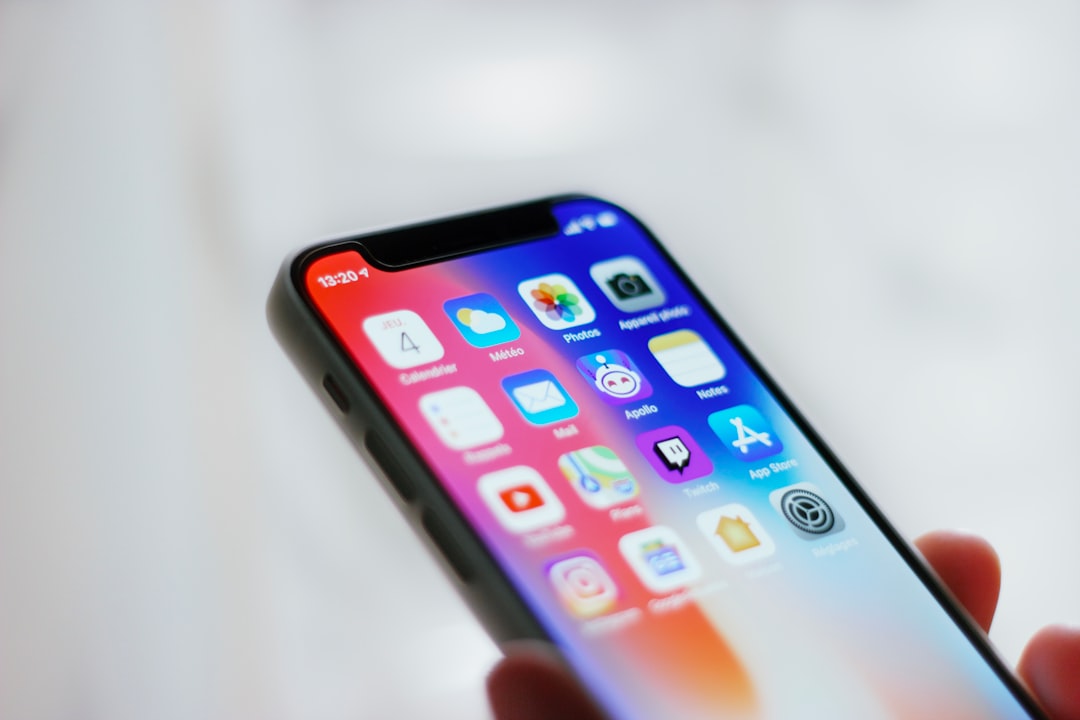
In Idaho, the battle against robocalls has seen significant strides thanks to technological advancements and proactive initiatives. The state’s robust telecommunications infrastructure, coupled with stringent robocall laws, has positioned it as a leader in combating these unwanted calls. One notable success story involves the deployment of advanced call-blocking apps that have proven highly effective in filtering out fraudulent and marketing calls. For instance, a recent study revealed that adoption rates for such apps in Idaho exceeded 40% among residential users, leading to a notable reduction in reported robocalls by over 35%.
Another key factor contributing to Idaho’s success is the state’s commitment to educating consumers on best practices for managing robocalls. Through public awareness campaigns and partnerships with telecommunications providers, Idahoans are better equipped to recognize and block suspicious calls. This proactive approach has fostered a culture of digital literacy, empowering individuals to take control of their communication experiences. Furthermore, the state’s regulatory framework, which includes strict penalties for violators of robocall laws, acts as a deterrent, encouraging compliance and reducing the overall volume of unwanted calls.
Beyond individual efforts, Idaho’s telco industry has embraced innovative solutions, such as enhanced call authentication protocols and advanced analytics, to combat robocalls at scale. These collaborative initiatives have led to a state-wide reduction in spam calls by nearly 25% over the past year. Looking ahead, continuous improvements in technology and policy will be crucial in sustaining Idaho’s momentum against robocalls, ensuring a safer and more secure digital environment for its residents in 2025 and beyond.