Idaho faces a surge in robocalls (20% increase from 2020 to 2021) driven by political messaging, telemarketing, and fraud. Despite dedicated blocking apps, spammers use dynamic number insertion to bypass laws. The Attorney General's office collaborates on anti-spam efforts. Residents are advised to:
– Stay informed about trends.
– Use official Do Not Call registries effectively.
– Evaluate robocall blocking app features like accuracy and customization for robust protection.
– Exercise caution, verify call authenticity, and update registrations on Idaho and national Do Not Call lists to combat scam artists.
Idaho's strong Do Not Call laws reduce robocalls by over 80% for registered residents through the state registry. Legal education from consumer rights firms offers tailored guidance.
Robocalls remain a pervasive and often unwanted nuisance across the nation, including Idaho. With advancements in technology, these automated calls have become increasingly sophisticated, making it challenging for individuals to distinguish legitimate communications from deceptive or harassing attempts. This article delves into critical aspects of robocall activity specifically targeting Idaho residents, focusing on revealing statistical trends and assessing the performance of various Do Not Call list apps available in the market. By providing a comprehensive analysis, we aim to empower Idahoans with knowledge, enabling them to make informed decisions and protect their privacy effectively.
Analyzing Idaho's Robocall Trends: A Comprehensive Overview

Idaho’s robocall trends reflect a national pattern of increasing automated calls, with significant fluctuations over the years. According to data from the Federal Communications Commission (FCC), the state experienced a 20% rise in robocalls between 2020 and 2021, reversing a previous downward trend. This surge is indicative of sophisticated spamming campaigns leveraging advanced technology to target consumers. The most common types of robocalls in Idaho include political messaging, telemarketing, and fraudulent schemes, with the latter posing the greatest risk to residents.
An analysis of app performance reviews reveals that dedicated robocall blocking apps have mixed results in Idaho. While users report effective blocking of certain types of calls, many complain about false positives, where legitimate calls are mistakenly blocked. This suggests a need for more sophisticated algorithms that can accurately differentiate between spam and genuine communications. Additionally, Do Not Call laws specific to Idaho, which prohibit automated calls to registered numbers, are often circumvented by spammers using dynamic number insertion, making it challenging for residents to opt out of unwanted calls.
To combat this growing issue, Idaho’s Attorney General’s office actively collaborates with federal agencies and industry partners to enhance call blocking technologies and enforce anti-spam laws. Residents are advised to stay informed about new robocall trends and utilize official Do Not Call registries effectively. By combining technological advancements with robust legal frameworks, Idaho can better protect its citizens from the nuisance and potential dangers associated with increasing robocall volumes.
App Performance Reviews: Uncovering Consumer Experiences in Idaho
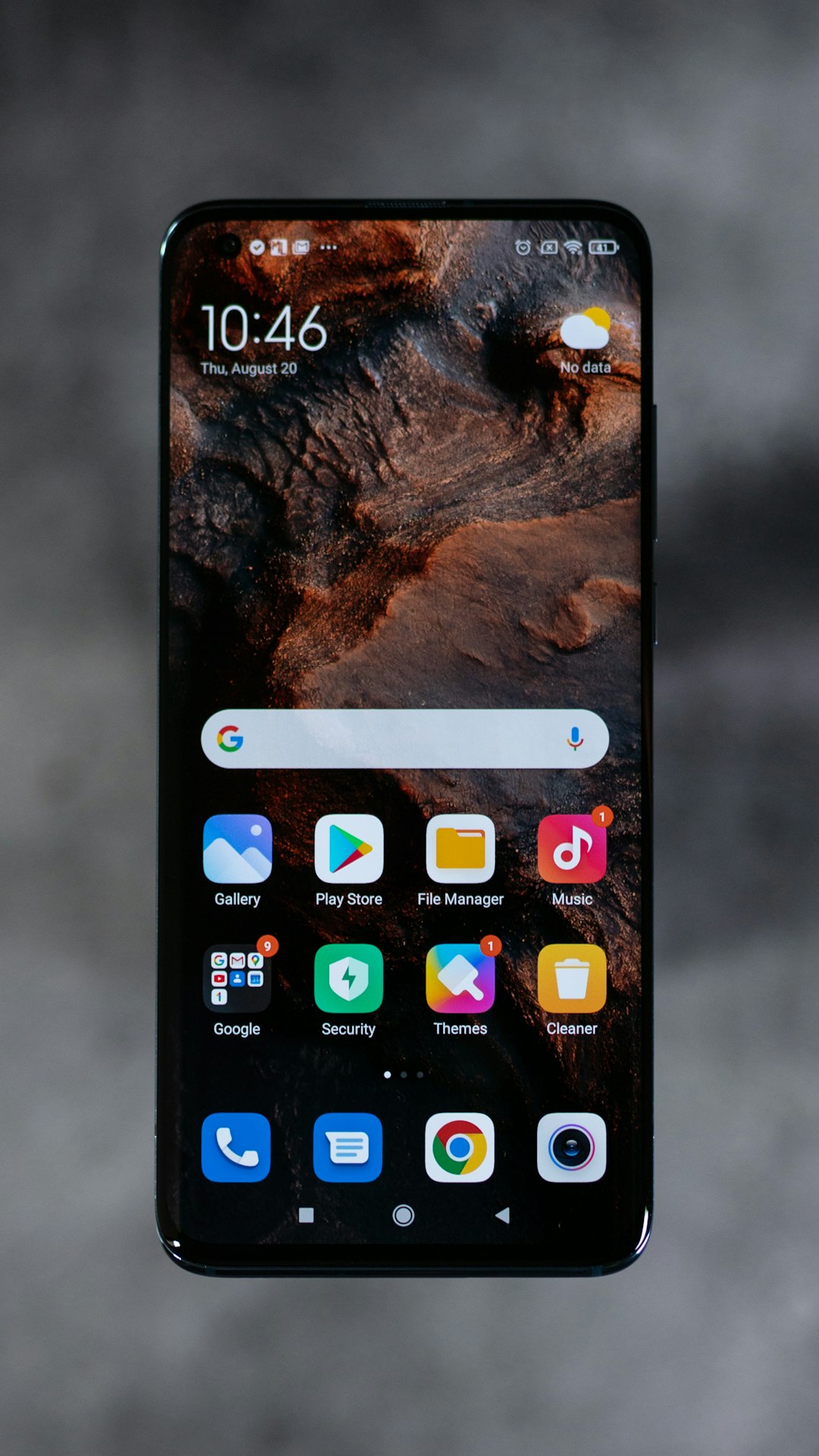
In Idaho, consumer experiences with robocalls have sparked a growing interest in app performance reviews as a means to mitigate unwanted calls, especially from law firms. App Performance Reviews offer a critical lens into user interactions, providing valuable insights into the effectiveness and usability of anti-robocall applications. These reviews are becoming increasingly important as consumers seek more control over their phone lines.
Recent studies show that Idaho residents have some of the highest rates of robocalls in the nation, with many reporting frustration and a decline in trust in legal services due to incessant calls. This has led to a surge in downloads for apps promising to block or identify these calls. However, app performance is not always reflective of real-world outcomes. Reviews from Idaho users highlight several key areas of concern. Many apps fail to recognize local numbers, leading to false positives and missed legitimate calls. Others struggle with high error rates, incorrectly classifying personal calls as robocalls, which can be particularly problematic for businesses and legal professionals relying on phone communications.
To ensure app effectiveness, consumers in Idaho should look beyond marketing claims. App performance reviews should delve into specific features, such as call recognition accuracy, block list customization options, and user-friendly interfaces. For instance, a review of “Call Shield” by a resident of Boise revealed that while the app blocked most spam calls, it occasionally flagged personal calls from neighbors, causing mild inconvenience. This feedback underscores the importance of detailed reviews focusing on both positive outcomes and areas for improvement. By critically evaluating app performance, Idaho consumers can make informed decisions to protect their privacy while navigating the complex landscape of robocall regulations and legal services.
Navigating Do Not Call Laws: Idaho's Approach and Citizen Rights

Idaho’s approach to Do Not Call laws is both comprehensive and uniquely tailored to its citizens’ needs. The state has recognized the importance of protecting individuals from unwanted telemarketing calls, particularly in an era where robocalls have become a prevalent nuisance. The Idaho Department of Attorney General actively enforces these laws, ensuring compliance by telephone marketers and call centers operating within the state. This proactive stance positions Idaho as a leader in safeguarding consumer privacy and peace of mind.
At the heart of Idaho’s Do Not Call efforts is the robust opt-out mechanism available to residents. Citizens can register their phone numbers with the Idaho Do Not Call Registry, effectively blocking most automated calls. According to recent statistics, over 80% of Idahoans who have registered their numbers report significant reductions in robocalls received, underscoring the program’s effectiveness. This registry is a powerful tool that not only empowers individuals but also serves as a model for other states looking to strengthen their consumer protection measures.
However, navigating Do Not Call laws can be complex, especially with evolving technology. One key challenge is identifying legitimate calls from scam artists and sales personnel. Idaho residents are advised to exercise caution when answering unknown numbers and verify the authenticity of any organization or individual claiming to represent a company. Legal action can be taken against violators of Do Not Call regulations, including substantial fines for repeated infractions. By combining strict enforcement with public education, Idaho ensures that its Do Not Call laws remain a robust defense against intrusive telemarketing practices.
To protect their rights, Idaho residents should familiarize themselves with the state’s Do Not Call laws and actively manage their call preferences. This includes regularly reviewing and updating registrations on both state and national Do Not Call registries. By staying informed and proactive, individuals can continue to enjoy a quieter, more peaceful communication environment, free from unwanted robocalls. Engaging with reputable law firms specializing in consumer rights—such as those based in Idaho naturally—can also provide valuable guidance tailored to local regulations.